
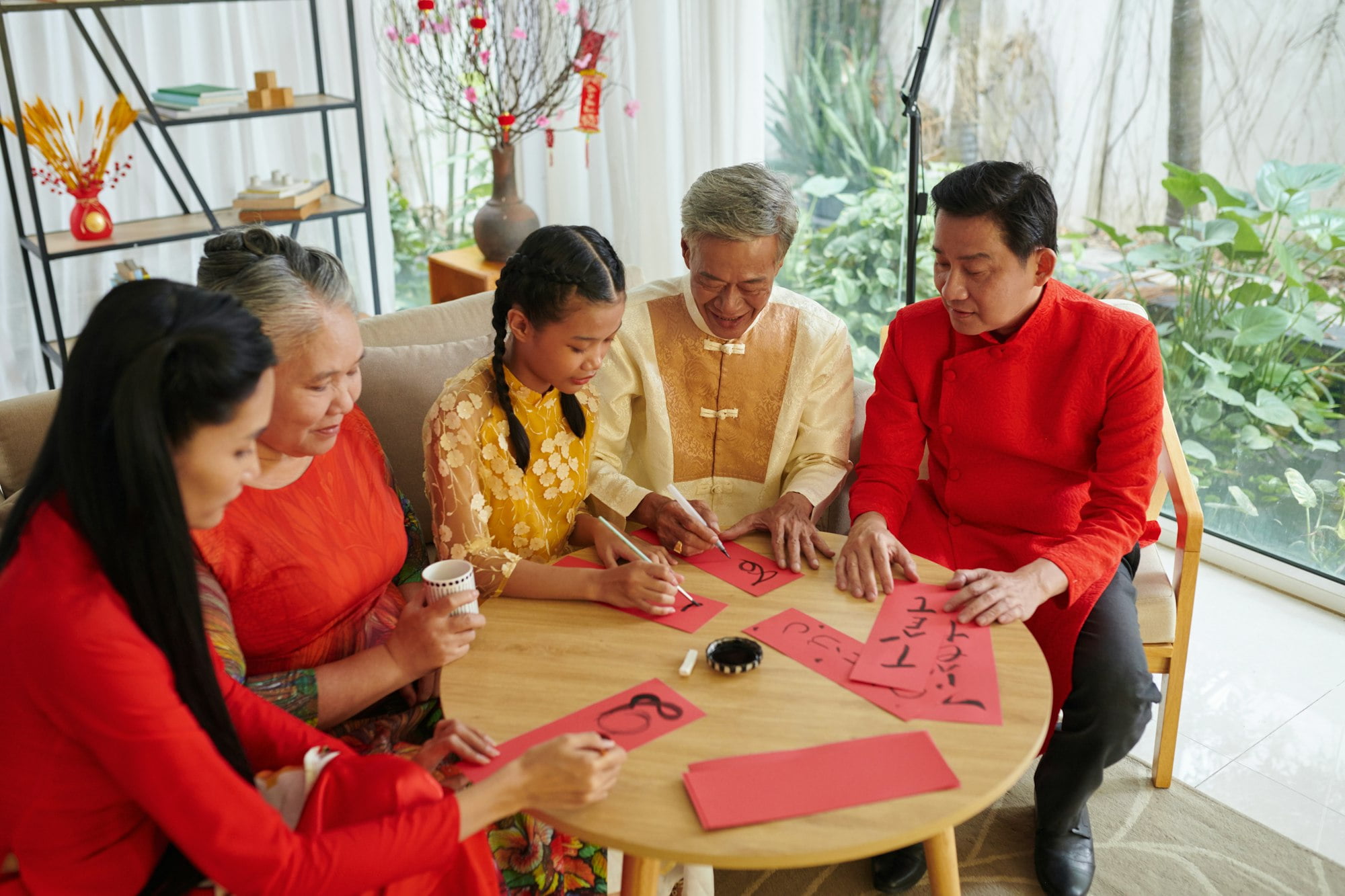
The Influence of Culture on Learning: How Cultural Differences Affect Learning Behaviour and How They Can Be Taken into Account
In a globalized world in which people of different origins interact with one another ever more intensively, the question of the influence of culture on learning is gaining increasing importance. Culture is a deeply rooted phenomenon that shapes not only our view of the world but also our learning behaviour. For educational institutions such as Lernimpuls Witten e.V., it is therefore essential to recognize these cultural differences and to develop appropriate strategies for addressing them.
What is culture and how does it influence learning?
Culture encompasses the values, norms, beliefs, traditions and behaviours that a particular group of people shares. It affects many aspects of life, including the way in which people learn and process knowledge. Different cultures may, for example, have different attitudes towards authority, different learning styles or different priorities within the educational process.
Communication styles: In some cultures, direct eye contact is regarded as a sign of respect, whereas in others it can be perceived as intrusive. This affects how students interact and communicate in a classroom.
Learning preferences: Cultures may have different preferences regarding individual versus collaborative learning. While in some cultures individual achievement is strongly emphasized, other cultures place greater value on group work and communal learning.
Appreciation of knowledge: In some cultures, traditional knowledge is highly valued, while in other cultures scientific or technical knowledge takes precedence. These differences influence which topics and subjects students prefer and how they perceive the learning process.
Cultural differences in the classroom: An example
Consider two students: Maria from Spain and Li from China. Maria comes from a culture that is characterized by strongly pronounced communication and interactivity. She is accustomed to asking questions, expressing opinions openly and actively participating in discussions. Li, on the other hand, comes from a culture in which respect for figures of authority is of great importance. He tends to be quieter, to listen and absorb knowledge rather than actively contributing to discussions.
Both approaches have their advantages, but they can also lead to misunderstandings if they are not properly understood and taken into account. Maria's teacher might perceive her open manner as inappropriate or disruptive, while Li's reticence could be interpreted as a lack of interest. Such misunderstandings can have a negative effect on the learning of both students.
How can teachers take cultural differences into account?
In order to successfully take cultural differences in learning behaviour into account, teachers and educational institutions such as Lernimpuls Witten e.V. should consider the following strategies:
Cultural awareness and education: Teachers should continually inform themselves about the cultural backgrounds of their students. Training sessions and workshops on cultural awareness can help to develop a deeper understanding of different cultures and to avoid possible conflicts in the classroom.
Differentiated teaching methods: It is important to apply various teaching methods that do justice to the different learning preferences. While some students benefit from group projects and discussions, others learn better through individual tasks or structured instructions.
Inclusive curricula: The curriculum should be designed in such a way that it acknowledges and incorporates different perspectives and forms of knowledge. This fosters not only a better understanding but also an appreciation of cultural diversity.
Promoting an open culture of communication: Students should be encouraged to share their cultural backgrounds and experiences in the classroom. This can take place through discussions, projects or presentations in which different cultural perspectives are illuminated.
Mentoring programmes and peer learning: The introduction of mentoring programmes, in which older or more experienced students support younger ones, can help to overcome cultural barriers. Peer learning offers a platform on which students can learn from one another and better understand different cultural perspectives.
The role of educational institutions: An example from practice
Lernimpuls Witten e.V. has set itself the goal of creating an inclusive and culturally sensitive learning environment. One example of this is the intercultural project „Globales Lernen“ (Global Learning), which is carried out regularly at our institution. In this project, students of different cultural backgrounds work together on tasks that aim to promote understanding and appreciation of cultural diversity.
During the project, topics such as „Traditionen und Feste weltweit“ (Traditions and Festivals Worldwide) were addressed, for example, in which the students presented their own cultural festivals and compared them with those of others. This kind of intercultural exchange fosters not only knowledge about other cultures but also social competence and the ability to act successfully in a diverse society.
Conclusion: The key to success lies in awareness
The influence of culture on learning is profound and complex. In an increasingly globalized world, it is crucial for educational institutions to be aware of these influences and to develop corresponding strategies for addressing the different learning needs. At Lernimpuls Witten e.V., we are committed to seeing cultural differences as an opportunity and to creating a learning environment that values and fosters diversity.
Teachers play a central role in this. By continually furthering their education and remaining open to new pedagogical approaches, they can make a major contribution to ensuring that all students – regardless of their cultural background – can develop their full potential. Cultural sensitivity in education is not only a question of justice but also a necessity for succeeding in a global society.