
The Role of Music in Children's Development: How Musical Education Promotes Learning and Personal Development
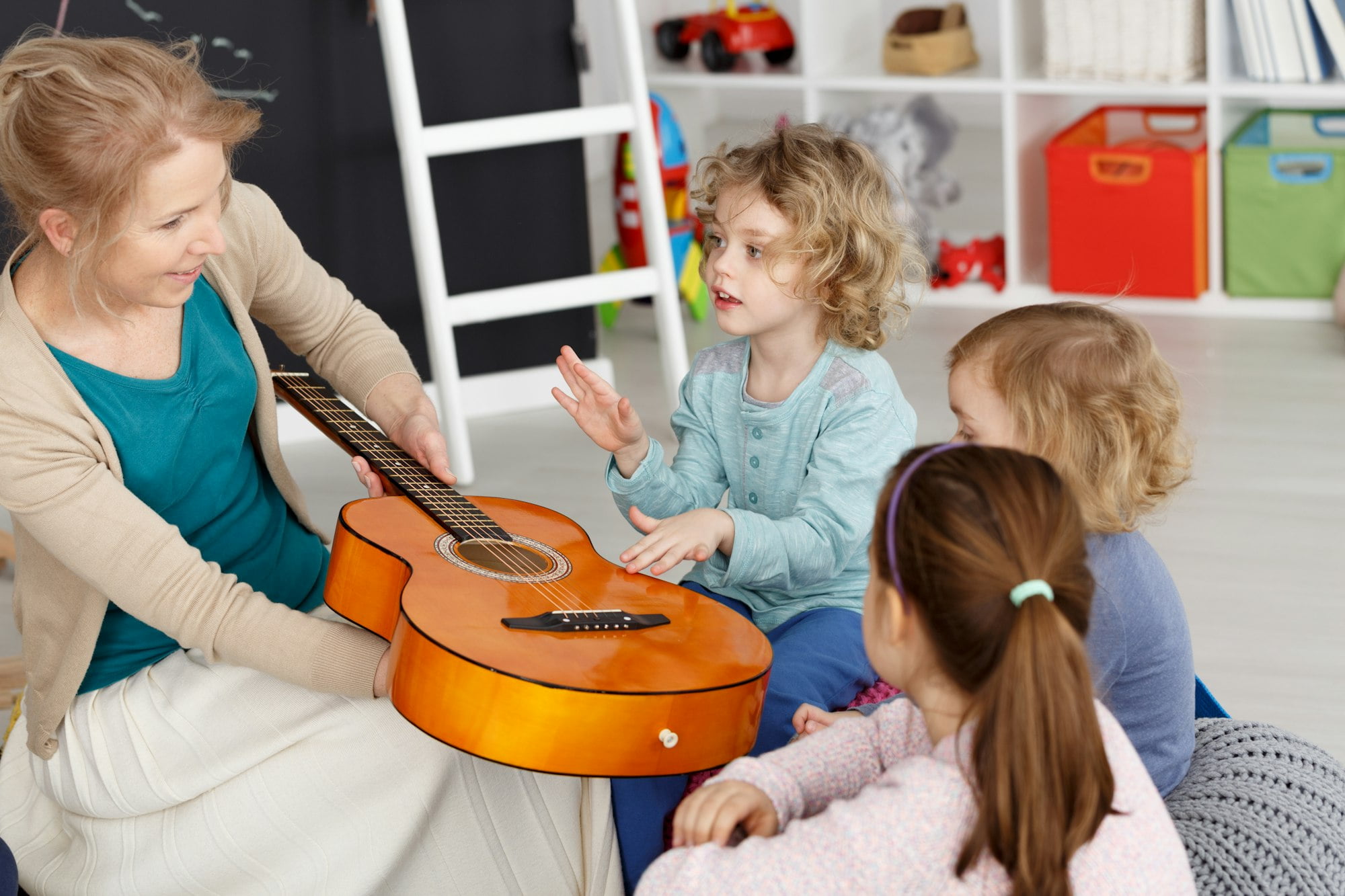
The importance of musical education for children's development cannot be emphasized enough. Music is far more than just a pleasant pastime – it plays a central role in the cognitive, emotional, and social development of children. In this blog article, we at Lernimpuls Witten e.V. would like to give you a deep insight into the role of music in childhood development and explain how musical education can promote your child's learning and personal development.
Music and Cognitive Development: A Boost for the Brain
Music has been shown to have a positive effect on children's cognitive development. Various studies have demonstrated that musical activities, such as learning an instrument or singing, influence the brain structure and function of children. One central aspect is the stimulation of both hemispheres of the brain. Music activates both the left and the right hemisphere, which leads to improved connectivity between brain cells. This improved connectivity promotes language development, logical thinking, and spatial imagination.
A child who regularly makes music also develops better skills in the areas of problem-solving and abstract thinking. This is because playing a musical instrument stimulates complex processes in the brain that train memory, attention, and motor skills. Children who come into contact with music at an early age often also show an increased ability in mathematical subjects. This is because music and mathematics are closely connected – both disciplines are based on the recognition of patterns and structures.
Emotional and Social Development Through Music
Music is a powerful tool for promoting children's emotional intelligence and social skills. When making music or singing together, children learn to express and regulate their feelings. Music can serve as an outlet for emotions and help children better understand and communicate their feelings. This is particularly important in early childhood, a phase in which emotional development plays a central role.
The social component of music should not be underestimated either. Musical education often takes place in groups, whether in a choir, an orchestra, or a music class. Through collaboration with others, children learn important social skills such as teamwork, empathy, and consideration. They experience what it is like to be part of a community and that achieving a goal together can bring joy. This promotes not only social behavior but also self-confidence and self-discipline.
Musical Education as a Means of Personality Development
In addition to the cognitive and social benefits, music also plays a significant role in children's personality development. Music fosters creativity and self-confidence. When children master a musical instrument or successfully perform a piece of music, they experience a sense of self-efficacy and pride. These positive experiences contribute to the development of a healthy self-image.
Moreover, music offers a platform for self-expression and individuality. Children can develop their own musical identity and express their personality through music. This is particularly valuable in today's world, in which children are often exposed to strong social pressure. Musical education offers a safe space in which children can discover and develop their uniqueness.
The Long-Term Benefits of Musical Education
The positive effects of musical education are not limited to childhood alone. Studies show that children who are given musical encouragement at an early age also benefit from these experiences later in life. Adults who made music as children often exhibit better skills in the areas of time management, memory, and creativity. The ability to concentrate on complex tasks is also often more pronounced in former music students.
In addition, music contributes to overall life satisfaction. Musical activities can reduce stress and promote emotional well-being. Children who have experienced music as part of their upbringing often show greater emotional resilience and a more positive outlook on life.
How Lernimpuls Witten e.V. Promotes Musical Education
At Lernimpuls Witten e.V., we have made it our mission to promote children's musical education and to support their development in various areas. Our comprehensive range of music lessons is aimed at children of all ages and abilities. Our qualified music teachers work closely with the children to discover and nurture their musical talents.
Our approach is based on the conviction that every child has the potential to grow and thrive through music. We offer a wide range of programs that are individually tailored to the needs of each child, whether through instrumental lessons, singing lessons, or music theory. In addition, we place great value on the joy of making music. Music should be fun and, at the same time, promote the child's personal and academic development.
Conclusion: Music as a Key to Childhood Development
Music is far more than just a hobby – it is a key to a child's holistic development. From promoting cognitive abilities and supporting emotional and social development to strengthening the personality – the benefits of musical education are manifold and long-lasting.
At Lernimpuls Witten e.V., we understand the central role that music plays in a child's development, and we are committed to giving every child the opportunity to have this valuable experience. If you are interested in how music can promote your child's development, we warmly invite you to visit our educational institute and learn more about our programs.