
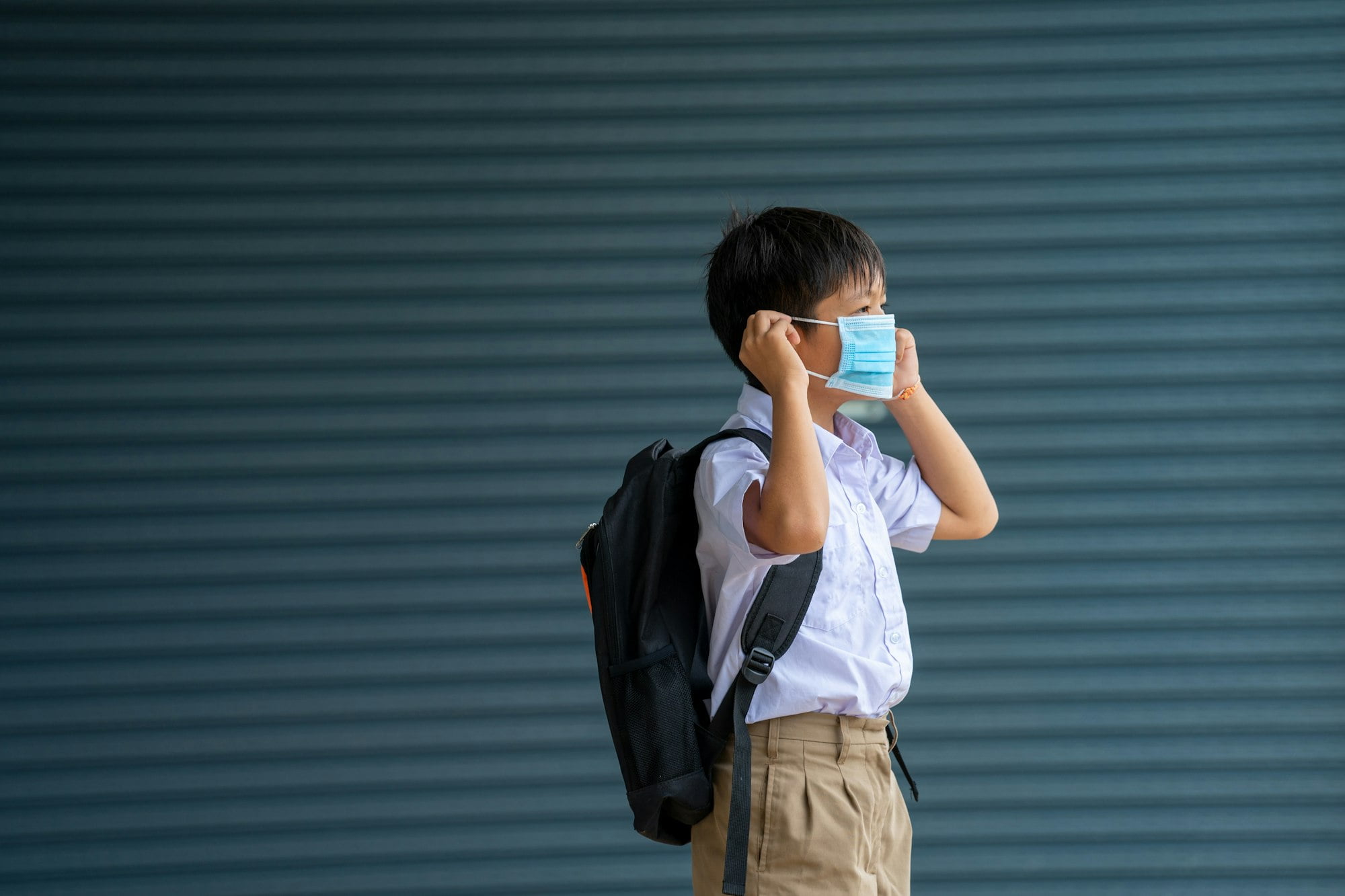
Healthy School: Nutrition, Exercise and Well-being – A holistic approach to promoting health in everyday school life
The health of pupils is a central factor for their academic success and their general well-being. A „Healthy School“ goes far beyond the mere imparting of knowledge and specifically promotes nutrition, exercise and well-being in everyday school life. In this blog post, we at the Lernimpuls Witten e.V. educational institute would like to show what a holistic approach to health promotion in schools can look like and why this is of great importance for the development of young people.
1. Why is a „Healthy School“ so important?
A healthy lifestyle forms the foundation for the physical and mental development of children and adolescents. Studies repeatedly show that health-conscious pupils are more capable, more focused and more motivated. Schools that integrate health as a fixed component of their concept not only contribute to improving academic performance, but also promote the long-term well-being of children.
A „Healthy School“ has a positive effect on the social climate, as it reduces stress and strengthens the sense of community. At the same time, it creates a learning environment that enables pupils to realise their full potential.
2. The holistic approach: nutrition, exercise and well-being
The term „Healthy School“ encompasses various aspects that are closely interconnected. Nutrition, exercise and well-being are the three pillars of this concept. They must be brought together in a holistic approach in order to ensure sustainable health promotion.
Nutrition: the basis for physical and mental performance
A balanced and healthy diet is essential for the physical and mental development of children. Schools can make a decisive contribution to promoting healthy eating habits by imparting knowledge about nutrition to pupils and offering them healthy alternatives.
School catering: The school canteen should offer varied and balanced meals that meet the nutritional needs of pupils. Fresh, seasonal and regional products should be preferred. Sugary drinks and snacks should be replaced with healthier alternatives.
Nutrition education: Lessons on healthy eating, cooking courses and project days on the topic of food can strengthen pupils' awareness of a healthy lifestyle. By involving parents and legal guardians in these educational measures, the positive influence on eating behaviour is additionally reinforced.
Exercise: an essential component for health
Regular physical activity is indispensable for physical health, but also for mental performance and psychological well-being. Schools have the opportunity to firmly integrate exercise into everyday school life and thereby sustainably promote the health of pupils.
Sport and exercise in lessons: Physical education should be designed to be varied and motivating in order to convey enjoyment of movement to all pupils. In addition, exercise-friendly break activities and short exercise units during lessons can make everyday school life more active.
An exercise-promoting school environment: A school that promotes exercise offers sufficient space and opportunities for physical activity. Outdoor sports facilities, playgrounds and exercise rooms should be well equipped and used regularly. The design of the school route can also help children to move more, for example through safe cycle paths or the establishment of „walking buses“, in which children walk to school together on foot.
Well-being: the basis for a positive school climate
The well-being of pupils is closely linked to their performance and their state of health. A healthy school climate in which all those involved feel comfortable is decisive for the success of a „Healthy School“. This includes both physical and mental health.
Mental health: Everyday school life can pose a challenge for many children and adolescents. Stress, performance pressure and social conflicts can considerably impair well-being. Schools should therefore offer programmes to promote mental health, such as mindfulness training, courses on stress management and targeted support services provided by school psychologists or social workers.
Social interaction: A respectful and supportive coexistence is the foundation for a healthy school climate. Schools should take care to create an environment in which diversity is valued and bullying has no place. Social interaction can be strengthened through projects to promote empathy and team spirit.
3. Practical approaches to implementing a „Healthy School“
The implementation of a „Healthy School“ requires cooperation between teachers, pupils, parents and external partners. Here are some approaches that can support schools in the implementation:
Appoint a health officer: A fixed contact person who takes care of health promotion at the school can significantly drive the process forward. This person should develop an action plan in close cooperation with the teaching staff and school management and coordinate its implementation.
Integrate health projects into the curriculum: Schools can initiate interdisciplinary projects that address nutrition, exercise and well-being. For example, topics such as „healthy nutrition“ can be dealt with in biology lessons, movement games can be introduced in physical education, and well-being and social responsibility can be discussed in ethics lessons.
Cooperation with external partners: Schools can benefit from cooperation with sports clubs, nutrition consultants or health authorities. These external partners bring expertise and resources that can enrich health promotion in the school.
Involve parents: Health education should not end at the school gates. Parents' evenings, information brochures and workshops can raise parents' awareness of the topic and motivate them to promote healthy lifestyle habits at home as well.
Regular evaluation: In order to ensure that the health promotion measures are effective, they should be evaluated regularly and adjusted if necessary. Pupils and teachers should be actively involved in this process in order to contribute their experiences and suggestions.
4. Conclusion: the school as a health promoter
A „Healthy School“ is more than just a place for imparting knowledge. It is a central living space for children and adolescents in which they learn to eat healthily, exercise sufficiently and take care of their well-being. A holistic approach to health promotion that links nutrition, exercise and well-being contributes decisively to the development of pupils and creates the foundation for a successful and fulfilled life.
The Lernimpuls Witten e.V. educational institute is committed to supporting schools in implementing this important concept. Together we can ensure that our children and adolescents grow up in an environment that promotes their health and their well-being – and thus also their chances of a successful future.