
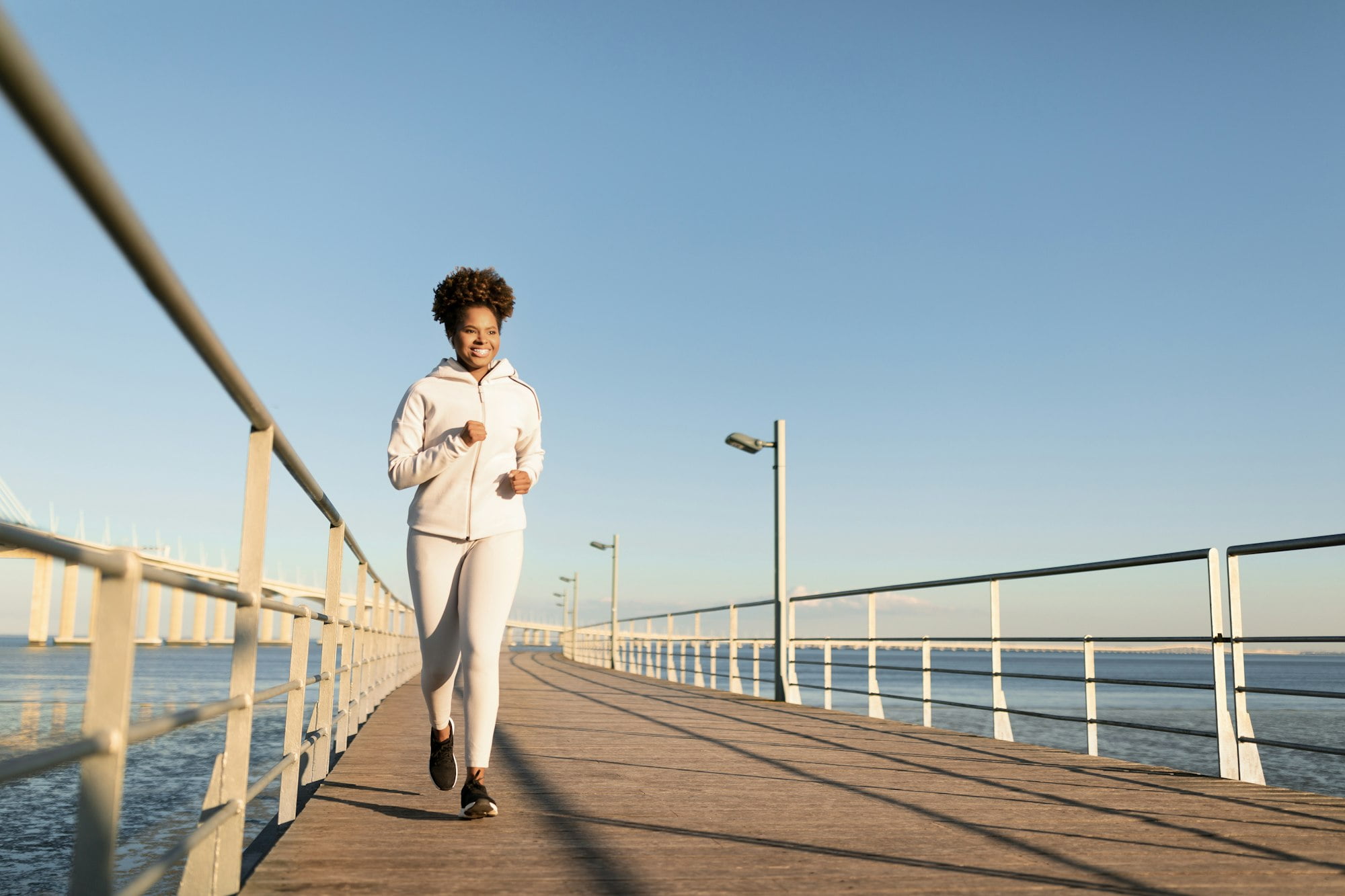
In an increasingly diverse society, social integration plays a decisive role in fostering peaceful and harmonious coexistence. Sport takes on a special significance in this context. Sport not only offers a platform for physical activity and health, but also serves as a bridge between different cultures, social classes and age groups. Within the framework of our educational institute Lernimpuls Witten e.V., we would like to shed light on the role of sport in social integration and use examples to show how sports projects can strengthen the sense of community.
Sport as a Catalyst for Integration
Sport is a universal language. Whether football, basketball, running or swimming – sports are widespread in most cultures and have the potential to bring people together regardless of their origin, religion or social status. This universal language of sport can break down barriers, overcome prejudices and foster a strong sense of community.
1. Training Together as a Space for Encounter
Sporting activities provide an ideal setting for encounters between people of different backgrounds. In training, people not only work together but also communicate with one another. This often gives rise to a very natural interaction, fostered by the shared goals in sport. Whether in team sports or in a fitness class – the regular meetings and shared success create a sense of belonging that extends beyond sport into everyday life.
2. Role Models and Mentors in Sport
Another important aspect of how sport contributes to integration is the role of role models and mentors. Coaches, experienced athletes and club members often act as role models for younger or newer members. They can help to overcome cultural misunderstandings and foster an inclusive atmosphere. These role models demonstrate that success in sport is independent of one's origin, and at the same time they motivate people toward social participation.
Successful Examples of Sports Projects for Social Integration
In Germany there are numerous successful sports projects that promote integration. These projects show how sport can be used in a targeted way to foster social inclusion and develop a strong sense of community.
1. “Football connects“ in Witten
A particularly successful example of integration through sport is the project “Football connects“ in Witten. In this project, children and young people of different cultural backgrounds regularly come together to play football as a group. The focus is not only on athletic competition, but also on intercultural exchange. The participants learn from one another, develop respect and tolerance, and build friendships that often reach beyond the pitch.
The project has succeeded in bringing together young people with and without a migration background and in breaking down prejudices. Through the regular training sessions and tournaments, stable social networks have emerged that help the participants to integrate better into society.
2. “Integration through Sport“ – A Nationwide Model of Success
The programme “Integration through Sport“, initiated by the German Olympic Sports Confederation (DOSB), is another example of successful integration work through sport. Since 1989, the programme has supported sports clubs throughout Germany that are specifically committed to the integration of migrants and socially disadvantaged groups. The programme helps clubs to develop appropriate offerings, train coaches and strengthen intercultural competencies.
Many sports clubs that take part in the programme offer special sports activities for refugees, migrants and socially disadvantaged families. These offerings range from football and basketball groups to swimming courses and fitness programmes. The focus is not only on the sport itself, but also on social exchange and shared leisure activities. Through these measures, the sense of community is strengthened, and the participants feel at home more quickly in their new surroundings.
3. “Sport speaks all languages“ in Berlin
Another impressive example is the Berlin project “Sport speaks all languages“. This project aims to promote the integration of refugees through sport. In cooperation with local sports clubs, special training programmes and workshops are offered that make access to sports activities easier and foster intercultural exchange.
The participants not only get the opportunity to try out various sports, but also become more familiar with the German language and culture. Through sport, the participants find it easier to make connections and are integrated into the community. In addition, they have the opportunity to contribute actively to society through volunteer work in the sports clubs, which strengthens their self-esteem and their social recognition.
The Importance of Inclusive Sports Projects
Inclusive sports projects such as the examples mentioned above are an indispensable part of integration work. They not only provide a safe space for movement and athletic competition, but also foster social cohesion and mutual understanding. Through sport, people learn to master challenges together, resolve conflicts peacefully and work together as a team – skills that are important in all areas of life.
1. Promotion of Social Learning
Sports projects offer an excellent platform for social learning. During training and in competitions, the participants learn to respect rules, practise fair play and take responsibility for their own actions. These social skills are decisive for successful integration and for participation in social life.
2. Support through the Community
Another aspect that speaks in favour of integration through sport is the support provided by the community. In many cases, sports clubs not only offer sporting activities but also help with everyday challenges. Whether in the search for housing, the search for a job or participation in language courses – the community in the sports club can provide valuable support and considerably ease the integration process.
3. Long-Term Positive Effects
The positive effects of sports projects for integration are often felt over the long term. Many participants remain active in the sports clubs even after a project has ended and become involved themselves as coaches or supervisors. In this way, they pass on the knowledge they have learned and the experiences they have made, acting as multipliers in their communities. This strengthens not only club life but also social cohesion in society as a whole.
Conclusion: Integration through Sport – a Success Story
Integration through sport is an effective means of breaking down social barriers, overcoming prejudices and creating a strong sense of community. The diverse examples of successful sports projects show that sport plays an important role in integration work and can bring together people who would otherwise have little contact with one another.
At the educational institute Lernimpuls Witten e.V., we are committed to ensuring that sports projects are promoted and further developed as an integral part of social work. Through sport, people can share experiences of success together, form friendships and become part of a strong community, regardless of their origin or social status.
Sport connects – and therein lies its strength. The universal language of sport knows no borders, and that is precisely what makes it an ideal instrument of integration. We are convinced that targeted sports projects not only promote physical health but also make an important contribution to social integration and to the sense of community.