
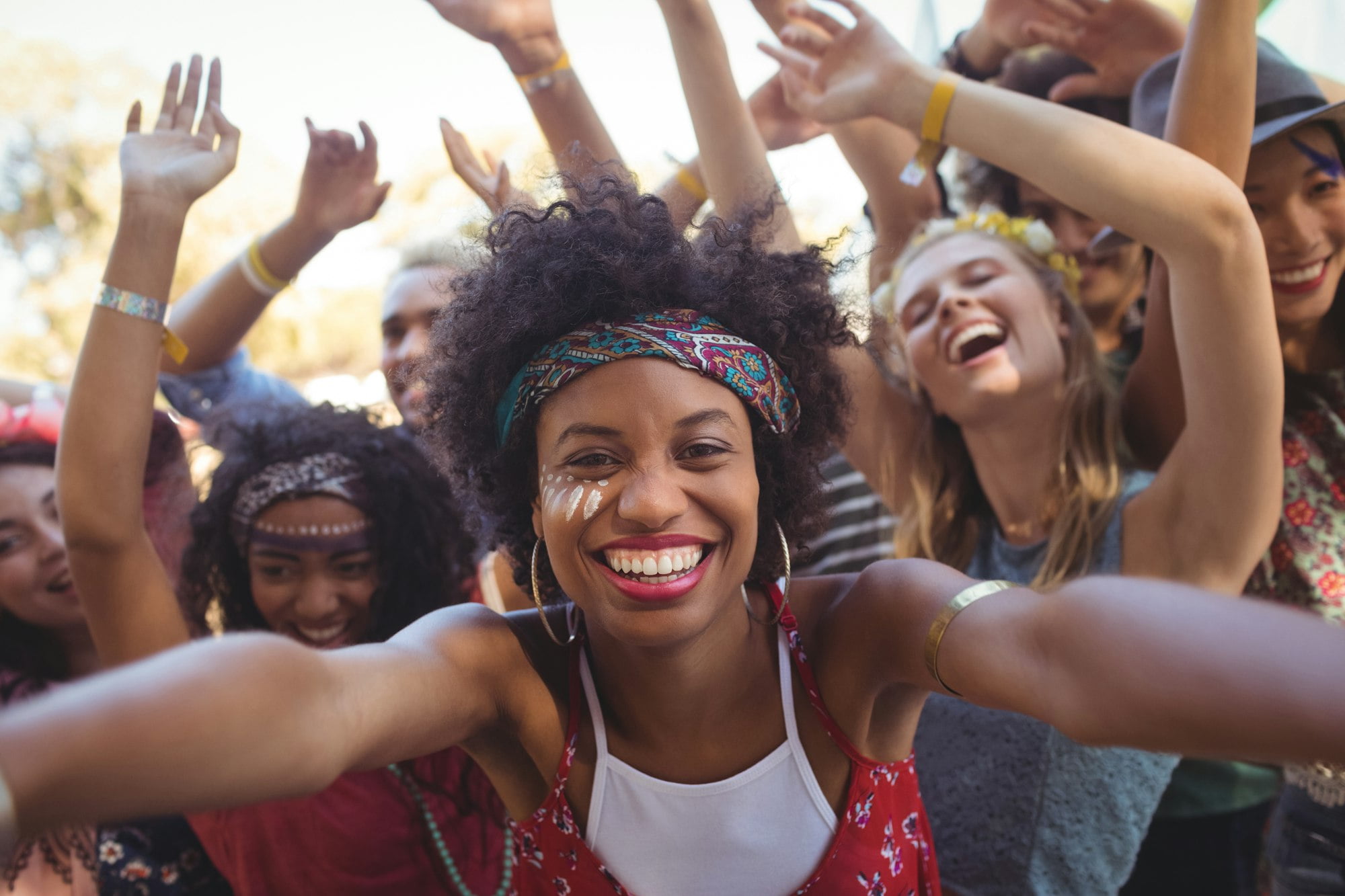
How festivals and shared events promote understanding between cultures
In an increasingly globalised world in which people from different cultures, religions and traditions meet, it is more important than ever to promote intercultural exchange. One of the most effective methods for creating understanding, respect and mutual appreciation are intercultural festivals. These shared celebrations offer a unique opportunity to build bridges between cultures and to foster an inclusive society. In this blog post we would like to show how intercultural festivals can promote understanding between cultures and why they are so valuable for the community.
The importance of intercultural festivals
What are intercultural festivals?
Intercultural festivals are events at which people of different cultural backgrounds come together to share and celebrate their traditions, customs and values. These festivals can encompass religious, national or cultural occasions and offer a platform for exchange and for getting to know one another. Examples of such festivals are the Sugar Feast, the Chinese New Year, the Indian festival of lights Diwali, or also shared intercultural days at which various cultural performances and culinary experiences take centre stage.
Why are intercultural festivals important?
Intercultural festivals are not only an opportunity to celebrate; they also play an essential role in the process of integration and mutual understanding. They allow participants to experience foreign cultures up close, to break down prejudices and to develop an open and tolerant attitude. By coming together and sharing their different traditions, people can discover commonalities and appreciate differences.
How intercultural festivals promote understanding
Promoting dialogue and communication
One of the main benefits of intercultural festivals is the promotion of dialogue. In a relaxed and cheerful atmosphere, it is easier for people to approach one another and to start a conversation. In doing so, misunderstandings can be cleared up and prejudices broken down. The exchange of stories, traditions and experiences helps to develop a deeper understanding of one another. This dialogue is the key to overcoming cultural barriers and building trust.
Creating shared experiences
Experiences that are had together often remain deeply anchored in the memory and create connections between people. Intercultural festivals offer numerous opportunities for such shared experiences. Whether through preparing and enjoying traditional dishes together, learning new dances or joining in with traditional games – these experiences strengthen cohesion and foster a sense of belonging to a community.
Strengthening cultural awareness and sensitivity
By taking part in intercultural festivals, people develop a stronger awareness of other cultures. They learn how deeply rooted cultural customs are in people's lives, and how these customs shape a person's identity. This awareness leads to a greater cultural sensitivity that in everyday life contributes to more respectful interaction with one another.
Breaking down stereotypes and prejudices
Prejudices and stereotypes often arise from ignorance and a lack of contact with other cultures. Intercultural festivals offer a platform to refute such prejudices. When people have the opportunity to have authentic experiences with other cultures, their perceptions change. They begin to see diversity as an enrichment rather than to fear it. In this way, intercultural festivals contribute substantially to breaking down prejudices and to fostering a harmonious coexistence.
Practical examples: successful intercultural festivals
Intercultural summer festival in Witten
The intercultural summer festival in Witten is an outstanding example of a successful event that builds bridges between different cultures. Organised by Lernimpuls Witten e.V. in collaboration with other local organisations, the festival brings people of different origins together. Alongside a diverse culinary offering, there are music and dance performances, workshops and games that reflect the cultural diversity of the region. Such festivals not only promote mutual understanding, but also strengthen the sense of community and integration.
The Sugar Feast: a bridge between Muslims and non-Muslims
Another successful example is the shared celebration of the Sugar Feast, which takes place at the end of the fasting month of Ramadan. By inviting non-Muslims to take part in this celebration, a direct exchange arises that deepens the understanding of the Muslim faith and its traditions. Often the Sugar Feast is used in communities or schools as an opportunity to promote intercultural dialogue and to build bridges between the various faith communities.
Chinese New Year: tradition meets modernity
The Chinese New Year is one of the most important festivals in the Chinese cultural sphere. In many cities worldwide this festival is celebrated in intercultural contexts, often in collaboration with local Chinese communities. These celebrations offer the opportunity to get to know traditional Chinese customs such as the lion dance, the fireworks and the shared eating of Jiaozi (dumplings). By taking part in such celebrations, people develop a deeper understanding of the cultural roots of the Chinese community and can at the same time discover commonalities with their own traditions.
Conclusion: intercultural festivals as a key to an inclusive society
Intercultural festivals are far more than just cheerful events – they are an indispensable instrument for promoting intercultural understanding and integration. Through the shared exchange of traditions, customs and values, prejudices can be broken down and coexistence in a diverse society can be shaped more harmoniously.
For an educational institute such as Lernimpuls Witten e.V., such festivals are not only an occasion for celebration, but an integral part of the pedagogical work. They offer a lively platform to convey values such as tolerance, respect and openness. In a time in which the world is drawing more closely together through migration and globalisation, intercultural festivals are a valuable contribution to the creation of an inclusive and harmonious society.
We encourage you to take an active part in intercultural festivals or even to organise your own events. Take the chance to get to know new cultures, to make friendships and to develop a deeper understanding of the diversity of our world.
Together we can build bridges – through the joy of celebrating and the sharing of our cultural treasures.