Art Therapy in Child and Youth Work: How Creative Therapies Can Contribute to Emotional Healing and Development
Child and youth work faces many challenges today. Young people are confronted with various social, emotional and psychological problems, which often have a profound impact on their development and well-being. In this complex environment, art therapy offers an innovative and effective approach to supporting children and young people in their emotional healing and personal development. In this blog, we at the educational institute Lernimpuls Witten e.V. would like to give you an insight into how art therapy is used in child and youth work and what positive effects it can have on young people.
What is art therapy?
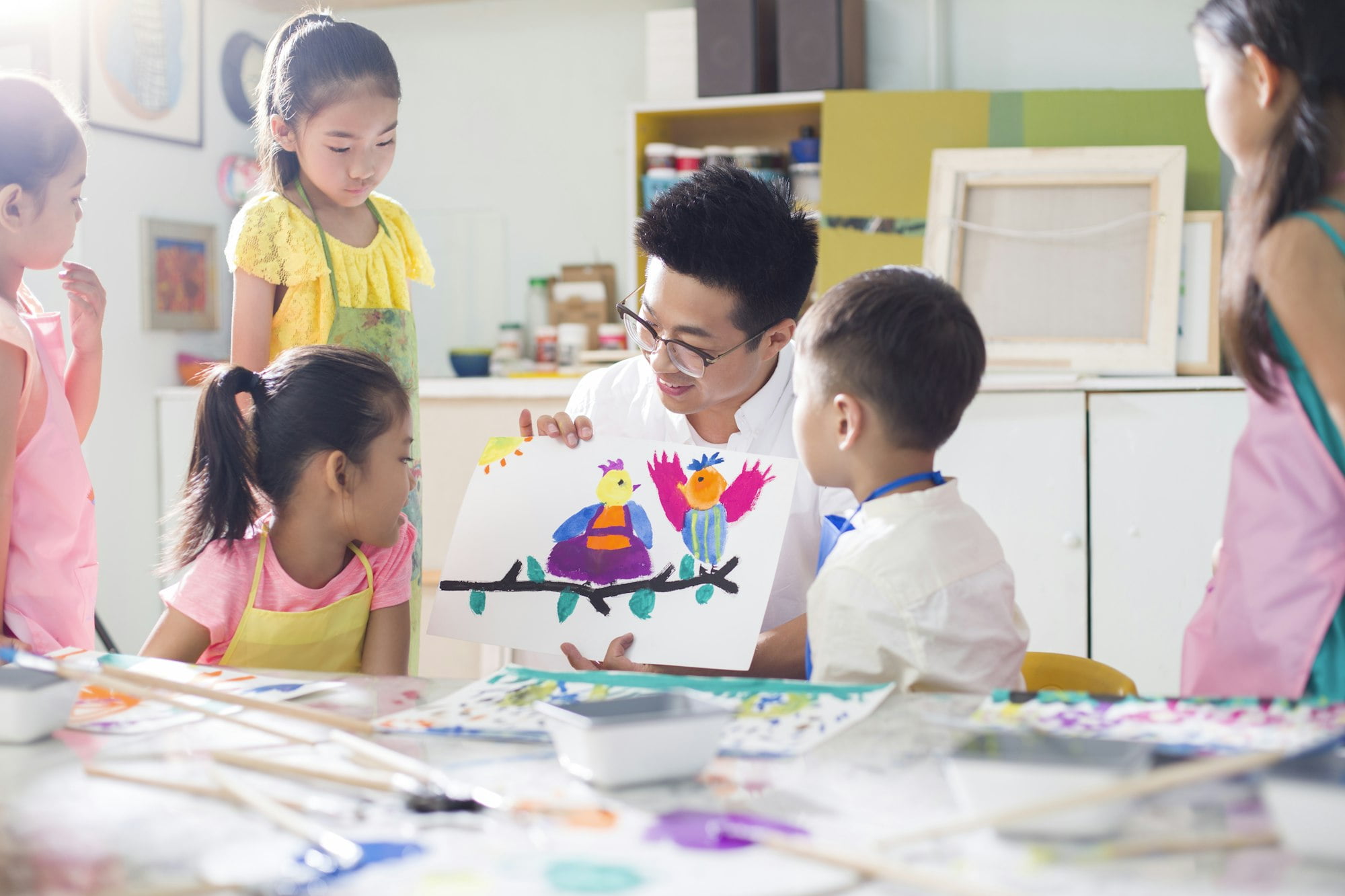
Art therapy is a form of psychotherapeutic treatment in which creative processes, such as painting, drawing, sculpting or other artistic activities, are used as a means of expression. In contrast to traditional forms of therapy, where conversation is at the forefront, art therapy enables nonverbal communication, making it easier for participants to express their feelings, fears and conflicts.
Art therapy proves to be extremely effective, especially in work with children and young people. Many young people find it difficult to put their emotions into words or are reluctant to talk about their problems. Here, art offers an alternative form of expression that is often more accessible and enables those affected to portray their inner worlds in a creative way.
The role of art therapy in emotional healing
Children and young people often go through intense emotional phases. Whether due to family conflicts, academic pressure, bullying or other stressful events – the emotional burden can be considerable. Art therapy can provide valuable support here by creating a safe environment in which participants can express their feelings without fear of judgement or criticism.
A central element of art therapy is the promotion of emotional self-regulation. Through the creative process, participants learn to better understand and manage their emotions. This is particularly important for children and young people who are still developing their emotional intelligence. The ability to deal with difficult feelings such as fear, anger or grief is an essential part of emotional healing and the development of a healthy sense of self-worth.
Art therapy as a means of coping with trauma
Traumatic experiences can have profound and long-lasting effects on the mental health of children and young people. Whether it is the loss of a loved one, domestic violence, abuse or other serious events – processing such experiences is often a long and difficult process. Art therapy can make an important contribution to coping with trauma here.
Through creative expression, traumatised children and young people can process their experiences in a way that they often cannot express in words. The art therapist supports this process by providing a safe space and gently accompanying participants as they engage with their feelings and memories. The opportunity to process trauma in a creative way can help those affected to integrate their experiences and find a path to healing.
Promoting social competence through art therapy
In addition to emotional healing, art therapy also plays an important role in promoting social competences. In group art therapy sessions, children and young people have the opportunity to interact with one another within a safe framework. They learn to respond to each other, to find solutions together and to resolve conflicts constructively.
These social skills are crucial for the development of empathy and social intelligence. Children and young people who learn in art therapy to better understand their own feelings and the feelings of others are better able to build healthy relationships with those around them. This not only contributes to their personal well-being, but also promotes their social integration and their sense of belonging.
Creative therapies as support for personality development
The period of growing up is characterised by the search for one's own identity and the desire to understand and accept oneself. Art therapy can help children and young people to discover and develop their personal strengths and resources. Through the creative process, they have the opportunity to get to know themselves better and to unfold their individuality.
Creative therapies encourage self-reflection and inspire participants to explore their own thoughts, wishes and fears. This supports the development of a positive self-image and strengthens self-confidence. Especially in a time when young people are often under pressure to conform to social norms and expectations, art therapy offers a valuable space for self-development and authenticity.
Practical examples: Art therapy in child and youth work
In practice, there are many impressive examples of how art therapy is successfully used in child and youth work. One example is the work with children from difficult social circumstances, who are often confronted with problems such as neglect, violence or poverty. In art therapy, these children can process their experiences in a creative way and find a space in which they feel safe and understood.
Another example is the support of young people with mental illnesses such as depression or anxiety disorders. Here, art therapy offers a complementary treatment method that enables young people to express their inner conflicts and develop new coping strategies. Through creative work, they can find access to their feelings that often remains closed to them by other means.
In school and extracurricular work, too, art therapy is increasingly being recognised as a valuable tool. It can help to overcome learning difficulties by enabling pupils to explore and overcome their learning blocks in a creative way. Furthermore, it promotes resilience and helps young people to better cope with the challenges of everyday life.
The importance of qualified professionals
For art therapy to be fully effective, it is crucial that it is carried out by qualified professionals. Art therapists need a sound training that encompasses both artistic and psychological competences. At the educational institute Lernimpuls Witten e.V., we attach great importance to ensuring that our staff are appropriately trained and have the necessary knowledge and skills to accompany children and young people professionally.
Conclusion: Art therapy as a valuable resource in child and youth work
Art therapy offers a unique approach to supporting children and young people in their emotional healing and personal development. Through the creative process, young people can express their inner conflicts in a way that is often otherwise inaccessible to them. This not only promotes their emotional and social competence, but also supports their personal development and resilience.
At the educational institute Lernimpuls Witten e.V., we are convinced that art therapy represents a valuable addition to traditional child and youth work. We want to support children and young people in discovering and using their creative potential in order to better understand themselves and shape their life situation positively. If you would like to learn more about our offerings or are interested in art therapy, we would be happy to provide you with further information.
Art therapy is more than just a creative activity – it is a powerful tool for promoting the emotional health and personal development of young people. Let us use this resource to shape the future of our children and young people positively.